The Operational Tension
Teams often reach the same point with Asana: the task model is working, the adoption is real, and the business likes the visibility, but the workflow is starting to require more structure than a generic project board can provide on its own.
The Wrong Next Move
The common reaction is to assume the team has outgrown Asana entirely and needs a fully separate product. Sometimes that is true. Often it is premature. Replacing the tool everyone already uses creates a second adoption problem before the first workflow problem is even clearly defined.
The Better Pattern
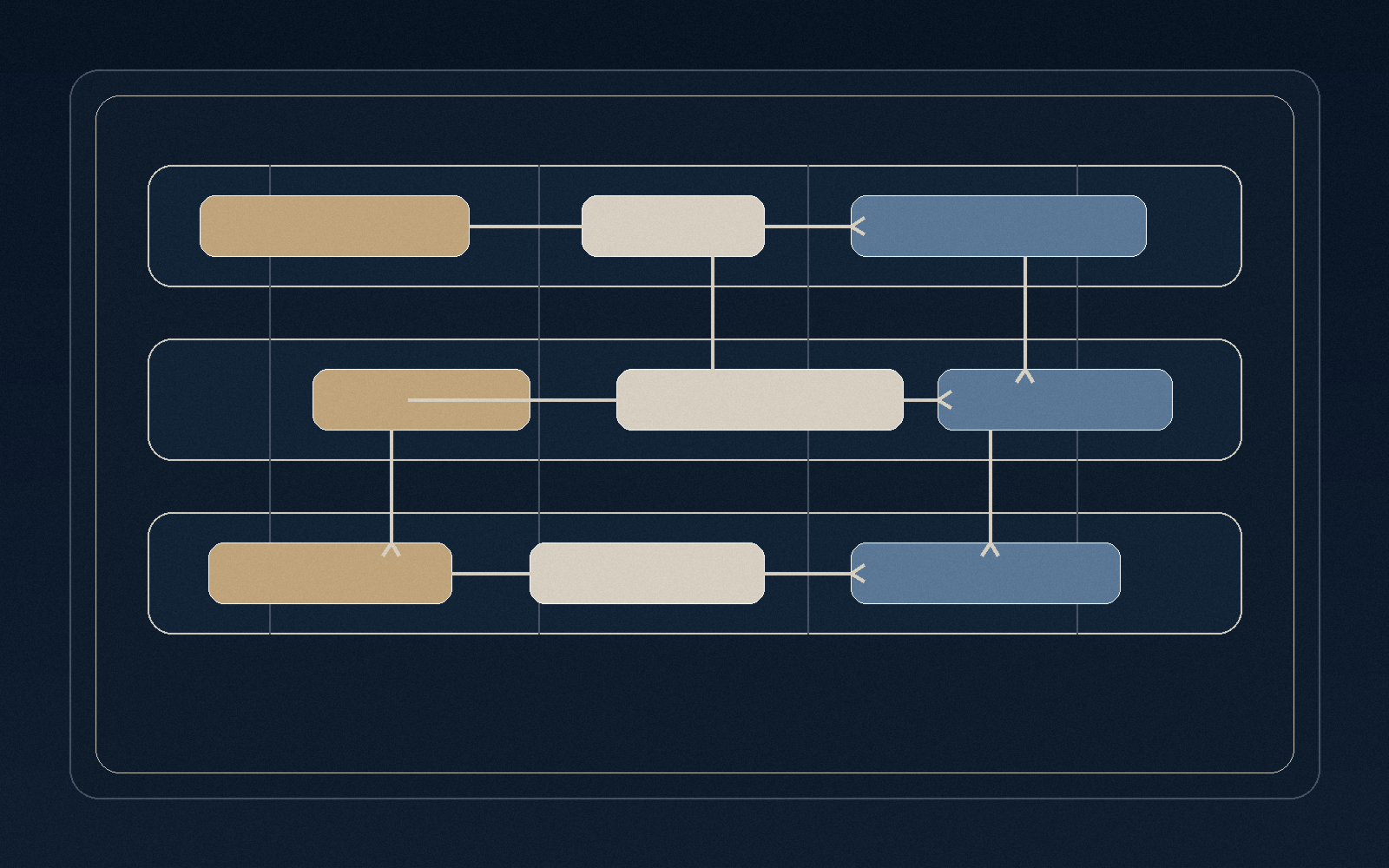
A stronger move is to keep Asana as the visible coordination layer while extending it with custom logic, integrations, reporting, and domain-specific interfaces where the workflow actually needs them. That keeps the team surface familiar while allowing the underlying system to become smarter.
Why This Works
Asana already carries ownership, due dates, status, comments, and cross-team visibility. Those are expensive behaviors to rebuild from zero. The custom layer can then focus on the parts Asana does not model well enough, such as vertical terminology, external records, payout logic, or workflow-specific controls.
Where It Pays Off
This approach works well in service operations, marketplaces, implementation workflows, and review-heavy systems where people still need a task surface but the business also needs structured data and custom automation.
The Decision Rule
If the team already trusts Asana, do not discard that adoption lightly. Extend the platform first. Replace it only when the visible work surface itself has become the bottleneck.