
The Builder Is Only One Layer of the Job
People often talk about websites as if the work happens only inside the page builder. On a real live WordPress site, that is not true. The operator also has to deal with host access, WP-CLI, backups, cache behavior, plugin quirks, task tracking, and the accumulated decisions behind the current implementation.
That means the real maintenance burden is operational, not just editorial. A clean Elementor edit can still be risky if the operator does not know which cache layer is stale, where the last backup lives, or which task context still matters.
Why Memory Becomes the Bottleneck
Without ritual, each session starts by reconstructing the environment. How does this host behave? Which wrapper should be used? What changed last time? Which QA steps are still required? That hidden memory cost makes even straightforward work slower and less trustworthy than it should be.
This is exactly the kind of environment where both humans and AI agents drift. Not because the work is impossible, but because the operating context is scattered instead of being encoded into the system.
What the Agent Ritual Actually Includes
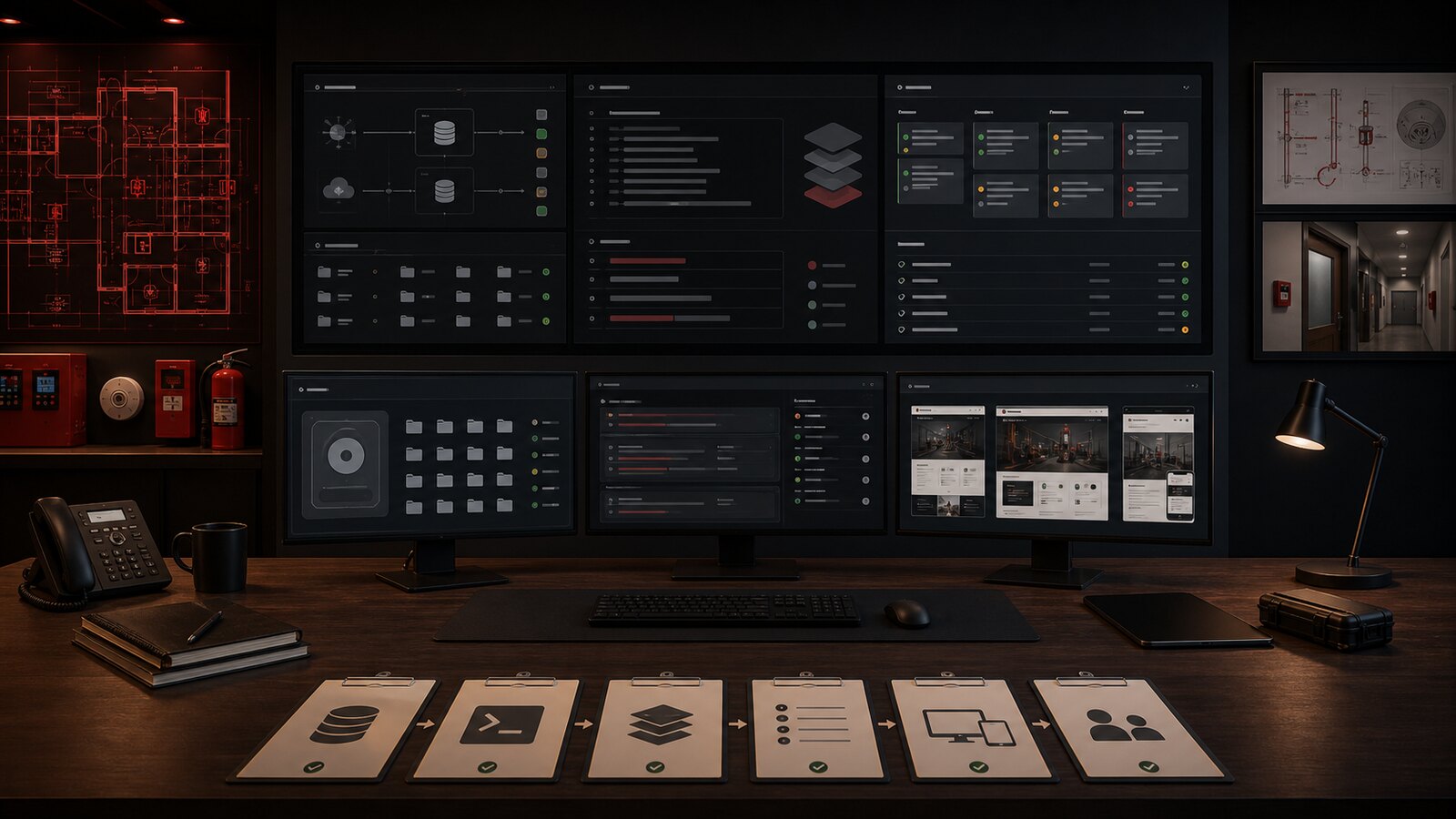
A useful ritual starts before any page edit. It sets read order, confirms environment status, points to the right wrappers, requires backups before mutation, and records task/handoff state in Asana and repo docs. It also defines verification: which public pages to check, which editor checks matter, and how to distinguish stale cache from a bad deploy.
That makes the system more legible. The next operator does not have to guess which commands are safe or which steps were skipped last time. They can inspect the ritual and resume work from a known posture.
Why This Is Especially Important on WordPress
WordPress site operations are full of edge conditions that do not show up in the visual editor. Caching layers can lie. Generated assets can lag. A plugin can enqueue global CSS where it should not. A page can be “correct” in the builder but stale on the public route. When that is the environment, process discipline becomes part of the technical solution.
That is why WP-CLI, cache flushes, editor checks, documented backups, and explicit task trails matter so much. They are not extra process. They are what makes the site maintainable under live conditions.
Where the Payoff Shows Up
The benefit is not only for AI agents. Human operators gain the same leverage: faster interruption recovery, cleaner handoffs, clearer task state, and less repeated rediscovery of platform quirks. The site becomes safer to operate because more of the environment is stored in docs, wrappers, and durable process instead of one person’s head.
For a small team carrying a real production site, that is not overhead. It is what prevents routine work from turning into expensive guesswork.
The Decision Rule
If site work is recurring, document the environment like a system. Pages are only one layer. The operating ritual is what keeps the rest of the WordPress stack trustworthy over time.