The Migration Question Is Operational Before It Is Visual
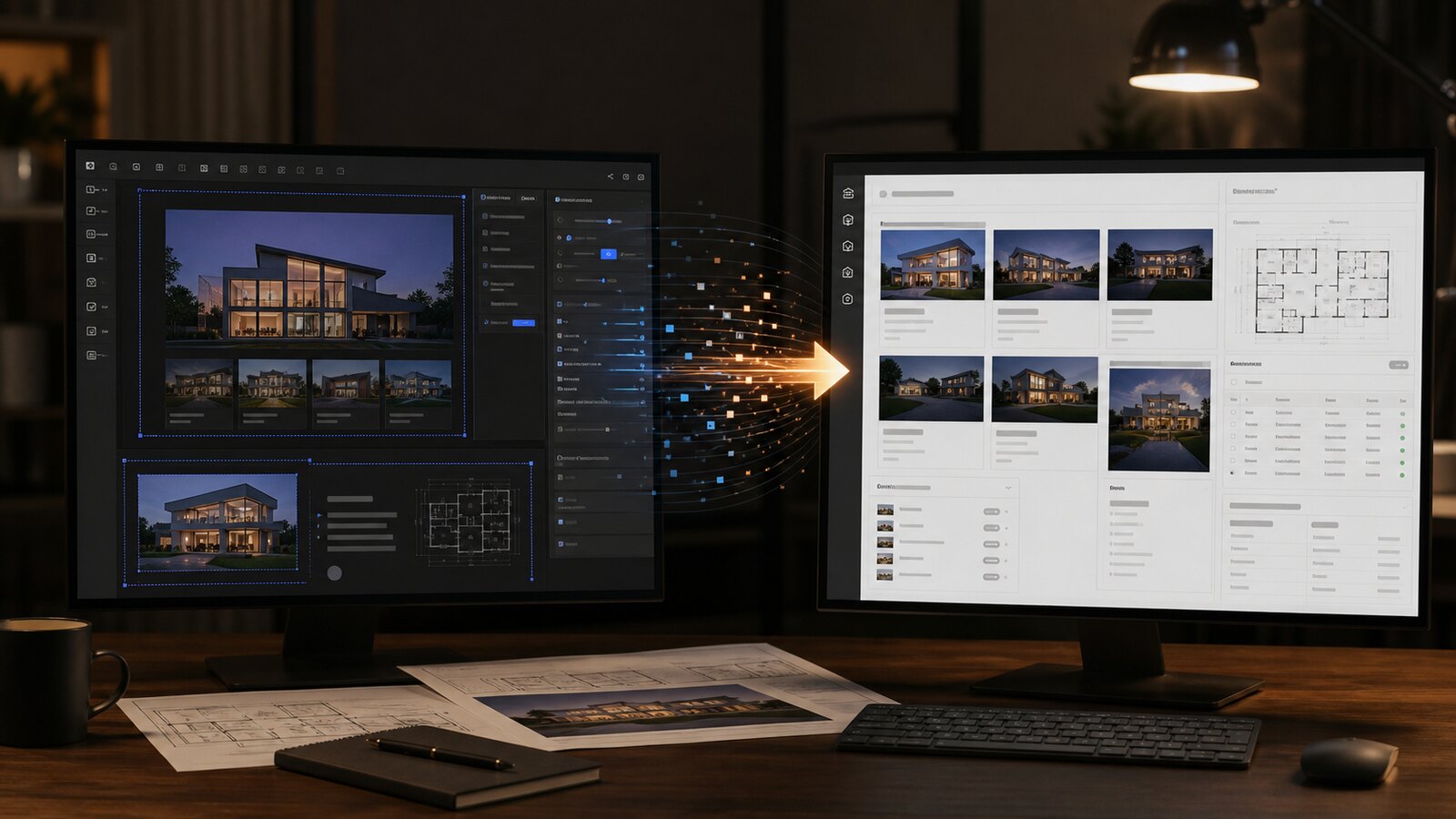
A Webflow-to-WordPress move is easy to misunderstand as a design replication exercise. The design does matter, but the real decision is operational. Teams usually move because they need better editing control, more flexible content structure, stronger extension paths, or a site they can keep evolving without constantly fighting the original platform model.
If the migration is judged only by visual similarity, it can still fail operationally. The site may look right while leaving the team with weak editor ergonomics, muddy information architecture, and the same maintenance frustrations that triggered the move.
Why Real Estate and Similar Teams Feel This Fast
Property-driven marketing sites change constantly. Listings change. Media changes. Landing pages evolve. New campaigns appear. Teams need to control the site as an operating surface, not just admire the design system. That makes platform fit much more important than a one-time visual clone.
When a real estate team cannot safely add, revise, or reorganize pages without repeating builder gymnastics, the platform is limiting the business, not supporting it.
What the Migration Should Actually Rebuild
A good migration should preserve what is valuable in the public experience while rebuilding the deeper structure: content hierarchy, reusable templates, page types, redirect logic, media handling, and the editing model. In a WordPress environment, that often means clearer page ownership, stronger template patterns, and a deliberate decision about what Elementor or other builder layers should control versus what the CMS itself should own.
This is where the migration becomes worthwhile. The team is not just changing vendors. It is improving the operating model behind the site.
Why WordPress Is Useful When Used Intentionally
WordPress is valuable here because it can support publishing, content relationships, and extension paths much more deeply than a static marketing stack when those capabilities are actually needed. It can hold the public site, editor workflow, and custom feature path together in one environment without forcing every future change back through the original migration team.
That matters most if the business expects the site to keep changing. A platform switch only pays off if the new platform is easier to run on day two, not just easier to launch on day one.
Where the Long-Term Gain Shows Up
The gain is not simply “now we are on WordPress.” The gain is that future changes become cheaper. Better templates reduce content drift. Clearer architecture reduces page sprawl. Strong redirect management protects SEO continuity. A more flexible editing surface reduces the risk of recreating the same platform pain six months later.
That is the standard a migration should be judged against: whether it leaves the business with a better site to operate, not merely a familiar site to look at.
The Decision Rule
If the business is migrating platforms, use the move to improve the operating model. A migration that only reproduces the old site has missed most of the opportunity.