The Common Failure Pattern
Many business AI projects start with a promise of broad capability: draft anything, answer anything, automate anything. That framing sounds powerful, but it leaves people without a concrete operating path. The tool is impressive, yet the work around it never stabilizes.
Why Curiosity Is Not Adoption
Teams will test a general assistant because it is interesting. They will not keep using it unless it helps a recurring job move faster or more safely. Real adoption comes from workflow fit, not from novelty or model quality alone.
The Better Operating Pattern
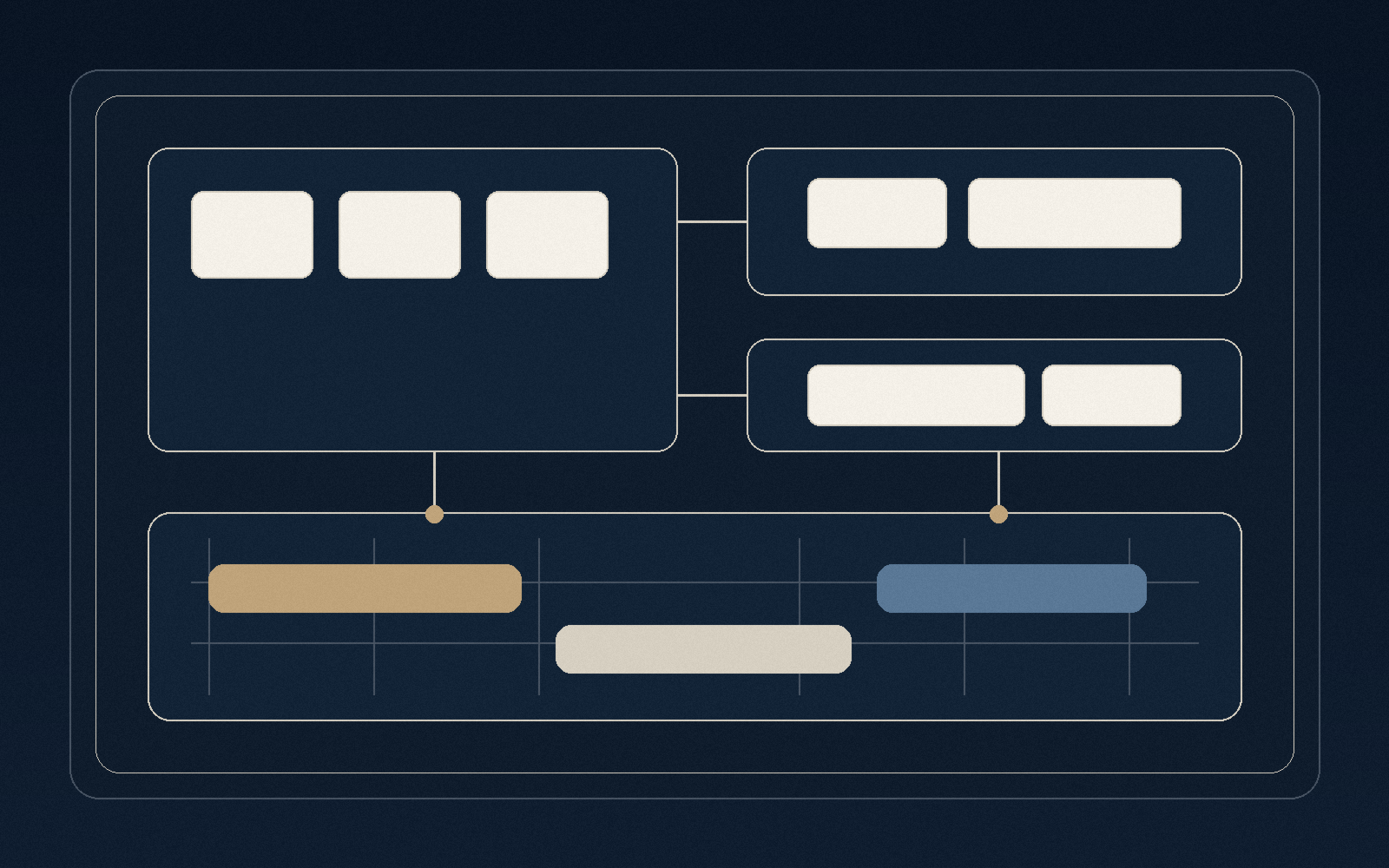
AI sticks when the system is narrow enough to trust: one job, one review path, one definition of success, and one place where the output lands. That could be triaging a queue, drafting a first pass, classifying evidence, or preparing a review pack before a human decision.
Why Human Control Still Matters
The best operational AI does not erase accountability. It changes where the human spends attention. Instead of doing every mechanical step, the operator reviews, approves, corrects, and handles edge cases. That is a much stronger pattern than asking people to trust raw output blindly.
Where It Works Best
Good fits include documentation, workflow triage, inbox review, research support, case preparation, metadata cleanup, and other repeated tasks that benefit from acceleration but still need judgment. Bad fits are usually the ones where the problem has not been operationally defined yet.
The Decision Rule
If the AI idea cannot be attached to a specific workflow, checkpoint, and system of record, it is probably still a demo. Operational AI begins where the work is narrow enough to repeat and durable enough to inspect.